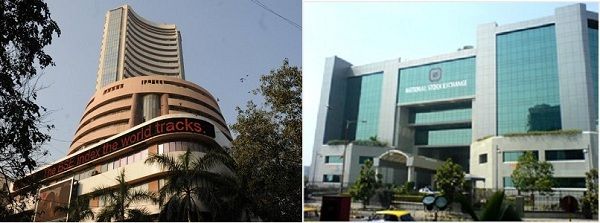
India has a diverse and dynamic financial market, comprising various segments such as the equity market, the debt market, the foreign exchange market, and the commodity market.
The equity market, also known as the stock market, is where shares of publicly listed companies are traded. The two main stock exchanges in India are the Bombay Stock Exchange (BSE) and the National Stock Exchange of India (NSE). The BSE is the oldest stock exchange in Asia, while the NSE is the largest stock exchange in India by market capitalization.
The debt market is where government securities and corporate bonds are traded. The Reserve Bank of India (RBI) is the regulator of the debt market in India, and the main institutions that operate in the market are banks, primary dealers, and mutual funds.
The foreign exchange market is where currencies are bought and sold. The RBI is the regulator of the foreign exchange market in India, and the main participants in the market are banks, financial institutions, and forex brokers.
The commodity market is where physical commodities such as agricultural products, metals, and energy are traded. The two main commodity exchanges in India are the National Commodity and Derivatives Exchange (NCDEX) and the Multi Commodity Exchange of India (MCX).
In addition to these markets, India also has a well-developed financial system, with a range of financial institutions and instruments, including banks, insurance companies, mutual funds, and pension funds. These institutions and instruments help to channel the savings of households and businesses into investments, which in turn help to finance economic growth and development.
 Learners Family
Leave a comment